 No products in the cart.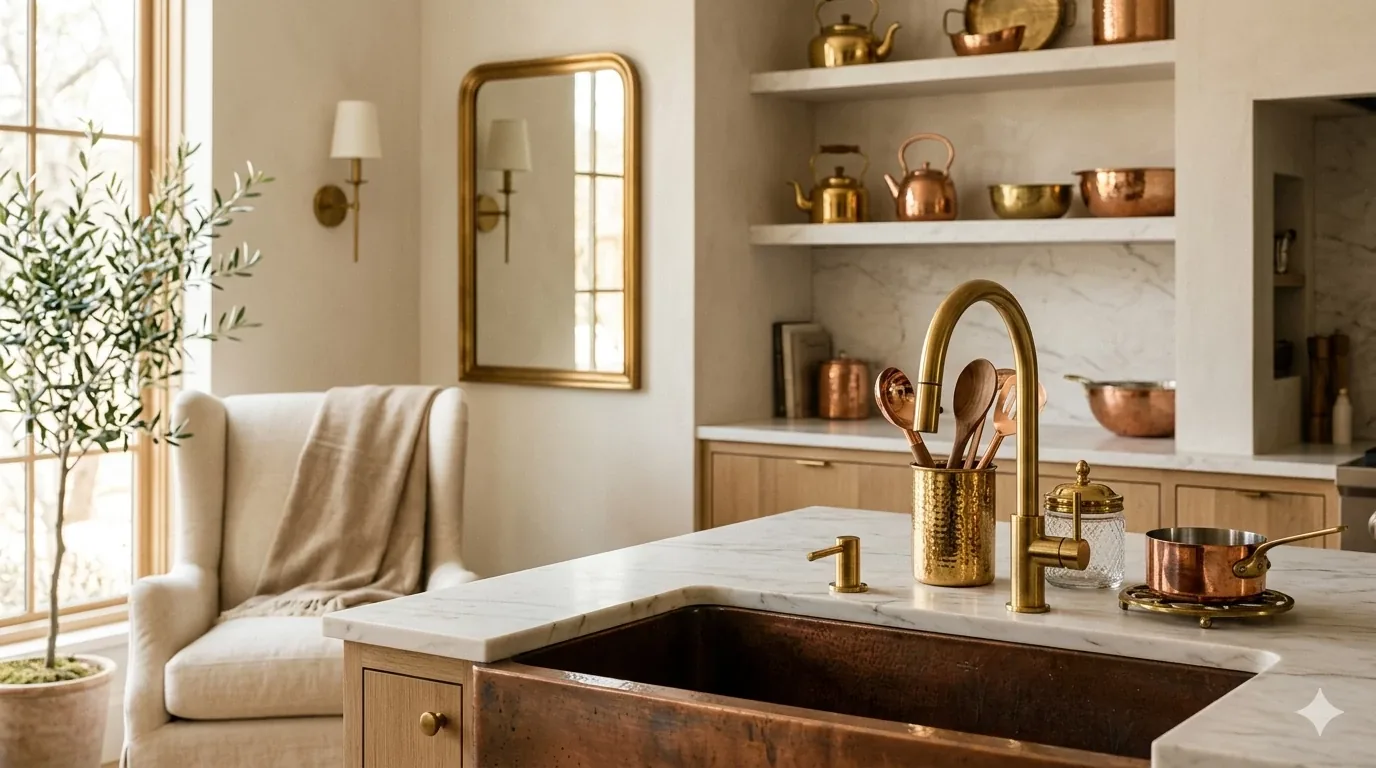
Design & Lifestyle Inspiration
Copper & Brass Are Back: What’s Trending in Interior Design?
Here’s how designers are using handcrafted metal to transform bathrooms, kitchens, and luxury spaces.
Read ArticleWhy your grandmother’s copper sink might have been smarter than any modern chemical disinfectant.
W
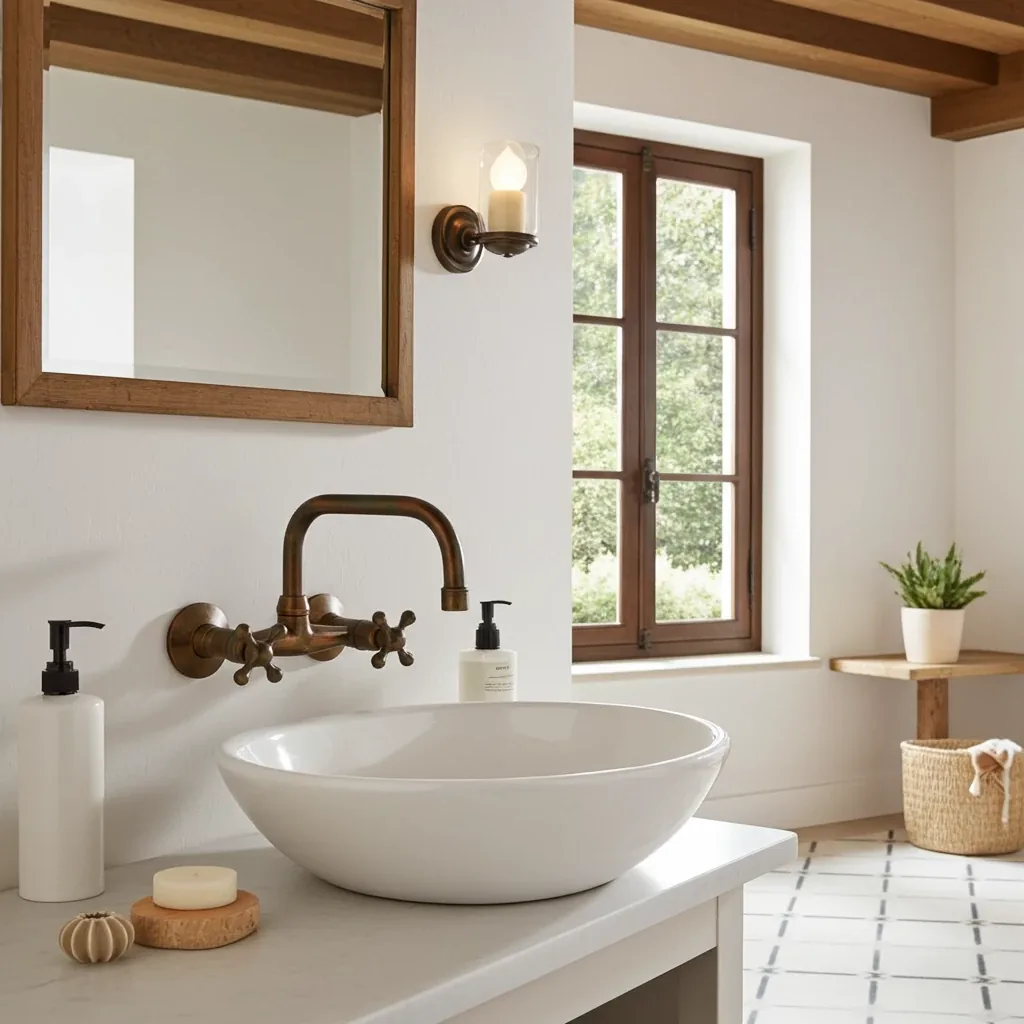
e scrub. We spray. We worry about bacterial colonies. But what if the literal structural material of your kitchen sink or vanity faucet was fighting harmful pathogens completely on its own — without harsh chemicals, without electrical power grids, and without a single shred of daily effort from you? Meet copper and brass. These are two of the oldest elemental metals known to humanity, and they stand as two of the most powerful natural antimicrobial surfaces on the planet.Copper and its structural alloys (such as brass, which balances copper and zinc) command a unique cellular defense known as contact killing. The moment bacteria, viral strands, or fungal spores settle across an uninsulated living metal surface, the material immediately discharges natural ions. These ions breach the microbe's outer cell wall, flood the interior, and systematically destroy its core DNA blueprint, completely halting cellular replication.
Industrial stainless steel, by stark contrast, is completely bio-inert. It possesses no intrinsic defensive properties, allowing dangerous germs to survive, cluster, and remain infectious across its glossy silver profile for consecutive days or even weeks at a time.
Because raw metals work continuously to minimize ambient microbial loads, integrating them across high-contamination vectors fundamentally upgrades your home's defensive baseline:
When selecting raw living finishes for health and wellness applications, two central mechanical questions consistently emerge regarding aging patterns and water contact:
This dynamic is not fringe theory. Global medical networks, international airports, and public transit terminals are actively replacing legacy stainless surfaces with EPA-registered copper alloys to curb infection vectors without increasing chemical usage. Tinza’s regional master smiths have relied on these metals for generations—not because a lab report directed them to, but because they instinctively understood that raw living metal feels cleaner.
Here’s how designers are using handcrafted metal to transform bathrooms, kitchens, and luxury spaces.
Read Article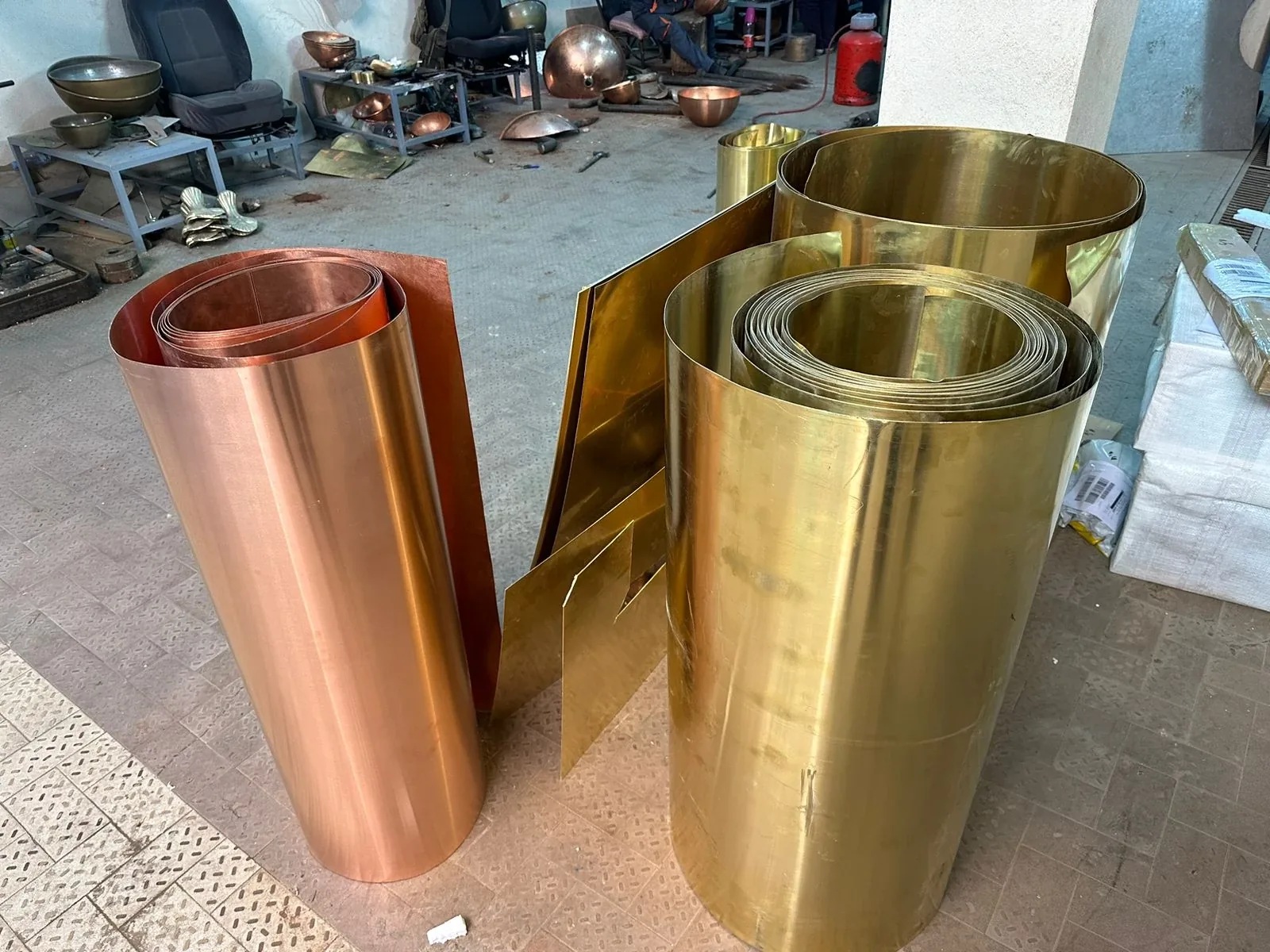
Honest comparisons to help you choose the right metal for your home.
Read Article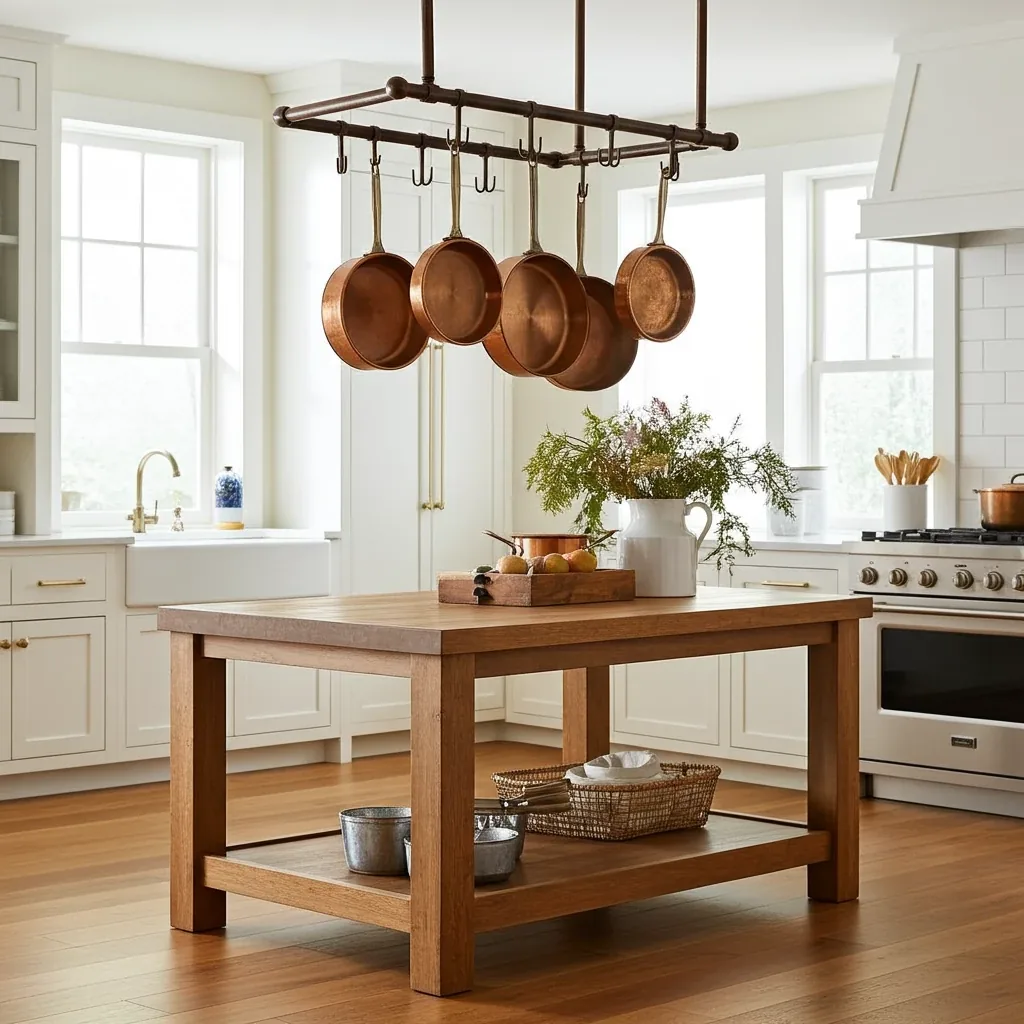
From ancient anvils to modern homes — how copper and brass have shaped human civilization for millennia.
Read Article