What's Next for Home Design: 2026 Market Trends Shaping Luxury Interiors

From remodeling spikes to the rise of living finishes — where the architectural industry is headed.
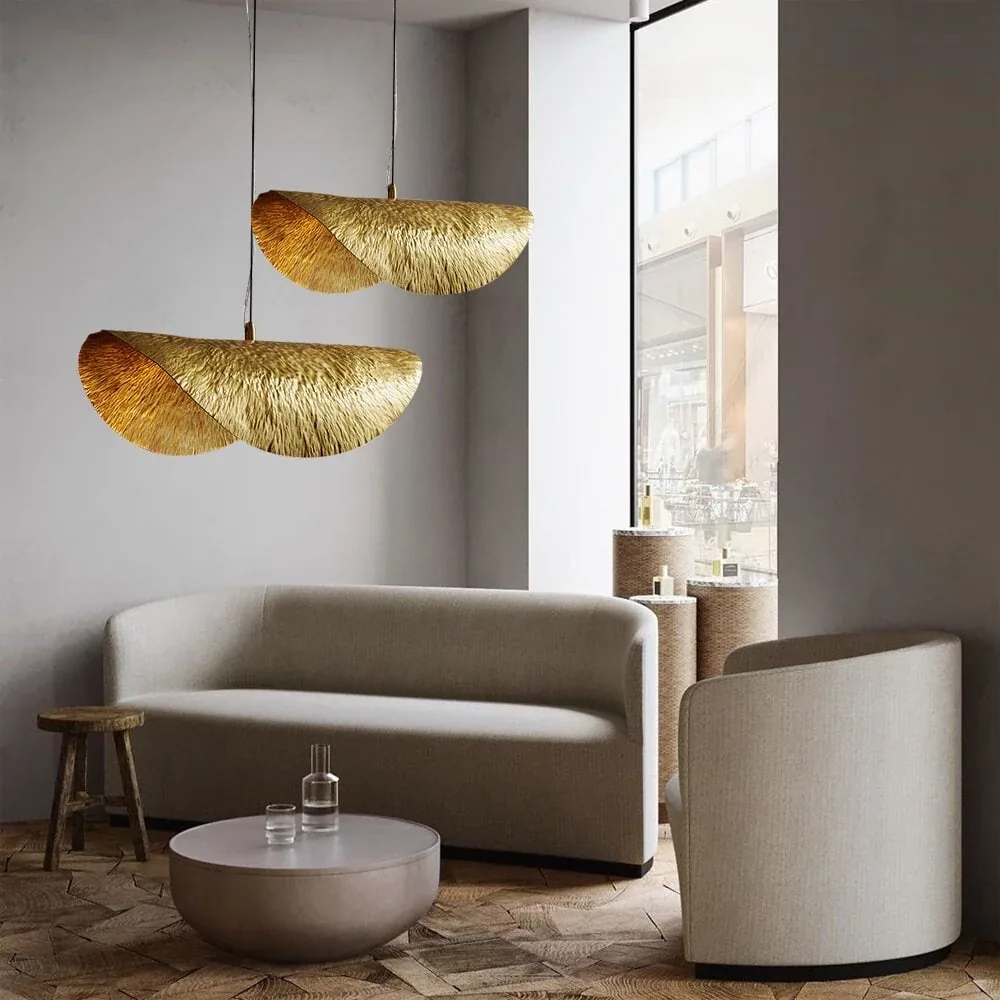
Modern Luxury Interior Displaying 2026 Architectural Living Metal Design Forecasts

T

he home design landscape moves rapidly. Yet every so often, a collective set of macroeconomic metrics and design shifts align so clearly that you can feel the structural transformation. 2026 is precisely one of those defining periods. The high-end luxury market is expanding, residential renovations are hitting historic highs, and across master baths, gourmet kitchens, and elite hospitality developments, one material family is leading the charge: heavy-gauge, warm organic metals.
01

The Luxury Market: Capital Growth & Renovation Spikes

The global luxury real estate demographic continues to expand through 2026, anchoring a sustained appetite for uncompromising architectural components. Concurrently, the global home renovation market continues its steady upward growth trajectory, driven by homeowners heavily prioritizing authentic material value over temporary, cheap cosmetic updates.

The Remodeling Lock-In Effect: Data indicators confirm that home improvement's share of total residential construction spending has steadily scaled over recent quarters. Faced with elevated financing thresholds, modern luxury homeowners are opting to stay put—reinvesting capital directly into upgrading their existing spatial footprints rather than entering volatile real estate pipelines.

According to current field analytics, bathroom structural remodeling remains the most common capital improvement project, with 73% of specialized contractors rating it very common. Master culinary kitchens follow directly behind as the primary asset class targeted for high-touch material specification.

02

Interior Design Forecast: Imperfection and Presence

The overarching design story of 2026 is an industry-wide rejection of clinical, automated perfection. Leading interior specialists note that high-end curation has decisively shifted away from sterile chrome toward fixtures displaying distinct historical weight, authentic human proportion, and immediate tactile presence.

Emerging Finish Standards

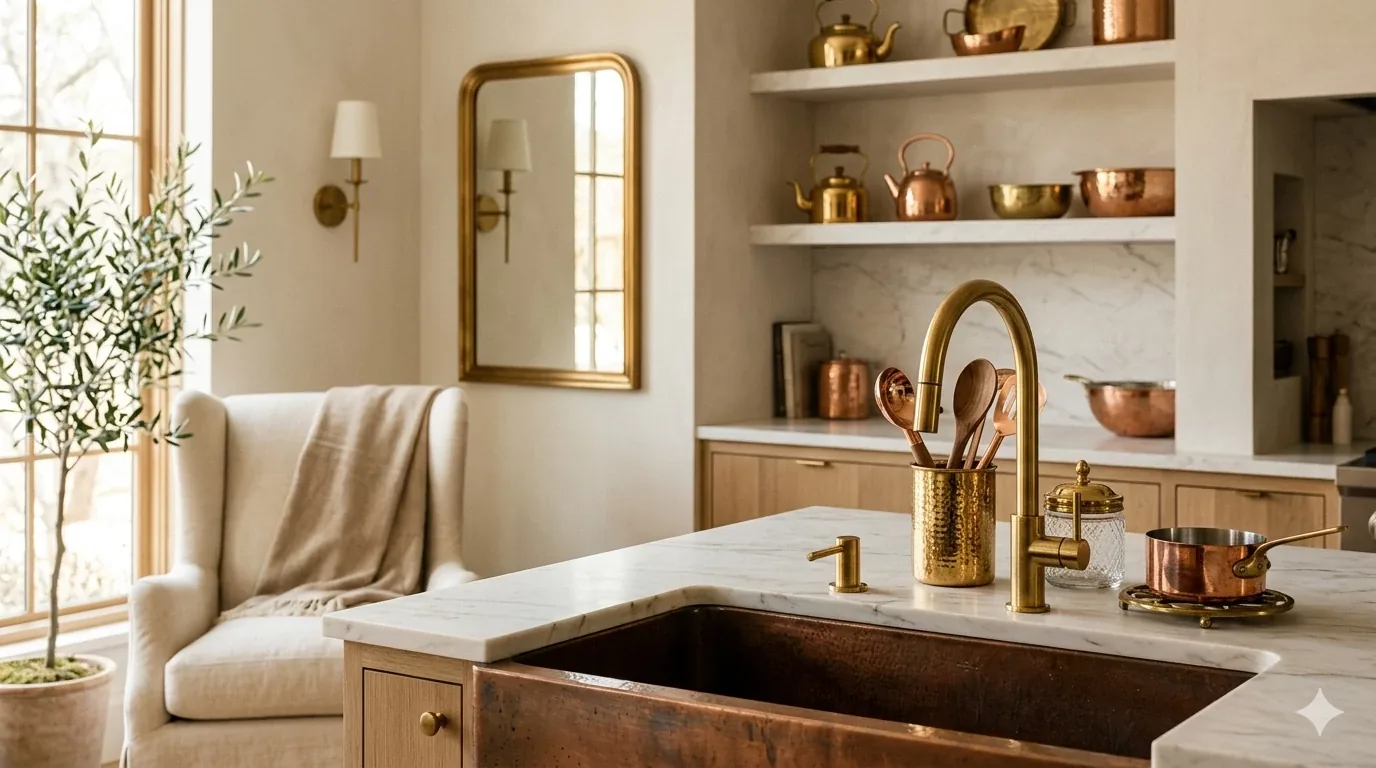
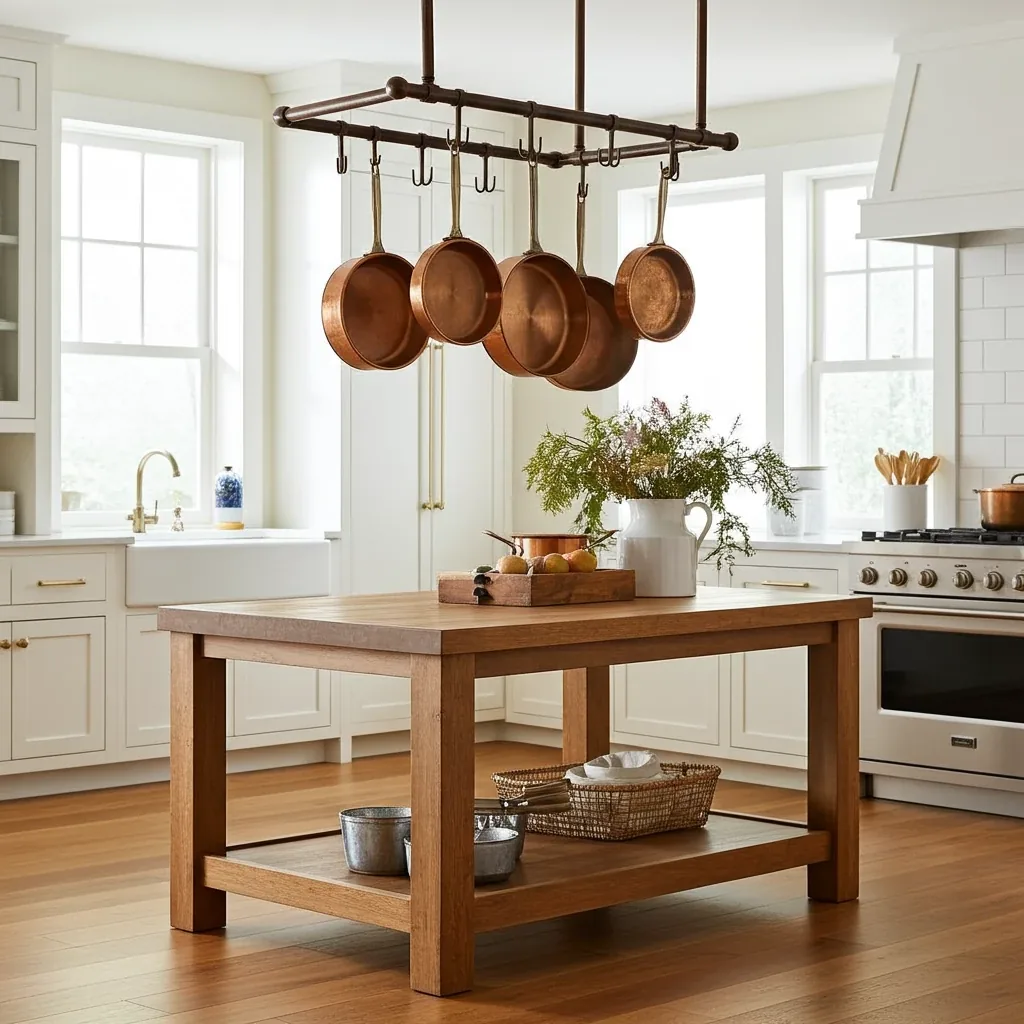
  • The Copper Ascendancy: Raw, heavy-gauge copper is commanding major attention. It infuses a deep, rich baseline warmth that cold, synthetic electro-plated options cannot emulate.
  • Structural Over Decorative Brass: Highly polished, thin ornamental brass coatings have completely receded. In their place are solid, heavy, architectural brass castings that ground a room.
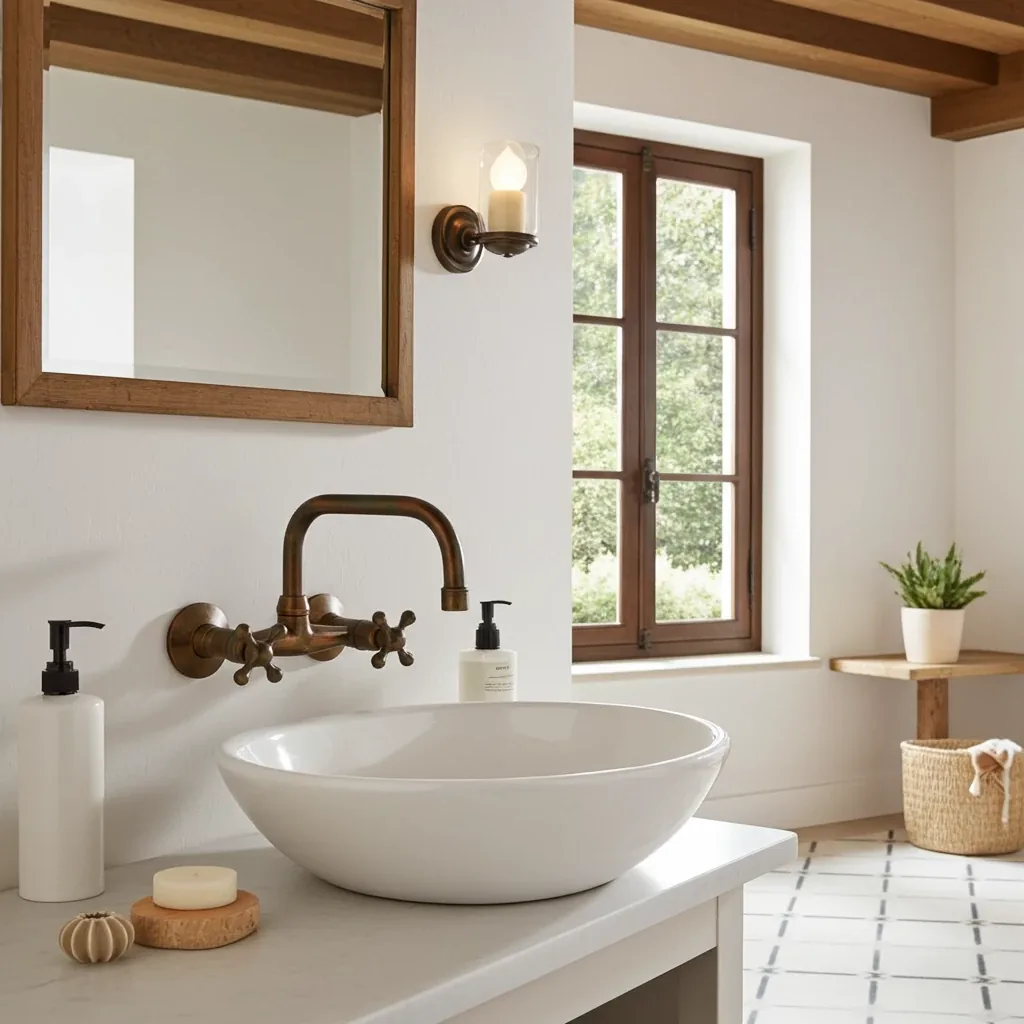
  • Living Surface Preference: Discerning design portfolios are specifying unlacquered metals that adaptively tarnish and shift color tone based on human contact.

Bespoke Layering Principles

  • Intentional Metal Mixing: The dated rule demanding absolute finish uniformity across every single faucet, hinge, and handle has been officially retired.
  • Dual Tone Limitations: Modern master portfolios layer diverse finishes deliberately, enforcing a strict two-finish ceiling per room (one dominant surface and one minor contrast element).
  • Warm + Matte Pairings: Combining warm living tones (like raw unlacquered brass) alongside textured matte black elements remains the highest-rated palette pairing.
03

Luxury Hospitality: The Quiet Luxury Shift

Inside the global boutique hospitality sector, the guiding theme centers firmly on quiet luxury—understated spatial restraint prioritizing pure raw material depth over loud, flashing visual noise. Commercial spatial designers are achieving this via curated neutral backdrops, natural joinery, and heavy, high-integrity plumbing fixtures:

  • High-Traffic Resilience: Master hoteliers are selecting heavy-gauge antique brass taps and raw plumbing kits engineered to endure relentless commercial cleaning while gaining character lines.
  • Satin-to-Stone Transitions: Integrating solid satin brass hardware up against premium raw stone and marble countertops allows high-traffic vanity spaces to conceal superficial water prints beautifully.
  • The Institutional Sourcing Rule: Ecological sustainability is no longer treated as a voluntary marketing point. Low-impact production, traceable sourcing, and long-life circular fixtures are now core baseline contract requisites.
04

The Architectural Core Alignment

Every major overarching trend tracking across the current design horizon maps directly back to the fundamental values our artisanal collective has preserved for generations:

  • Pure Living Finishes: Our unlacquered brass and raw copper pieces reject chemical synthetic sealants, giving your home an asset that records your lifestyle history.
  • Anti-Obsolescence Builds: Tinza architectural items are manually forged from thick, solid plates and ingot pours, completely eliminating the peeling risks tied to factory zinc plating.
  • Verified Provenance: Every item provides a direct link to historic metalworking heritage zones, answering the modern designer's absolute need for authenticity, transparency, and storytelling.

Looking Ahead

As the design landscape continues to prioritize depth, longevity, and material heritage, copper and brass remain unmatched in their architectural value. Tinza remains dedicated to bridging the space between global master coppersmiths and the visionaries crafting tomorrow's timeless living environments. True luxury is not an automated replication—it is felt, lived in, and passed on through generations.