 No products in the cart.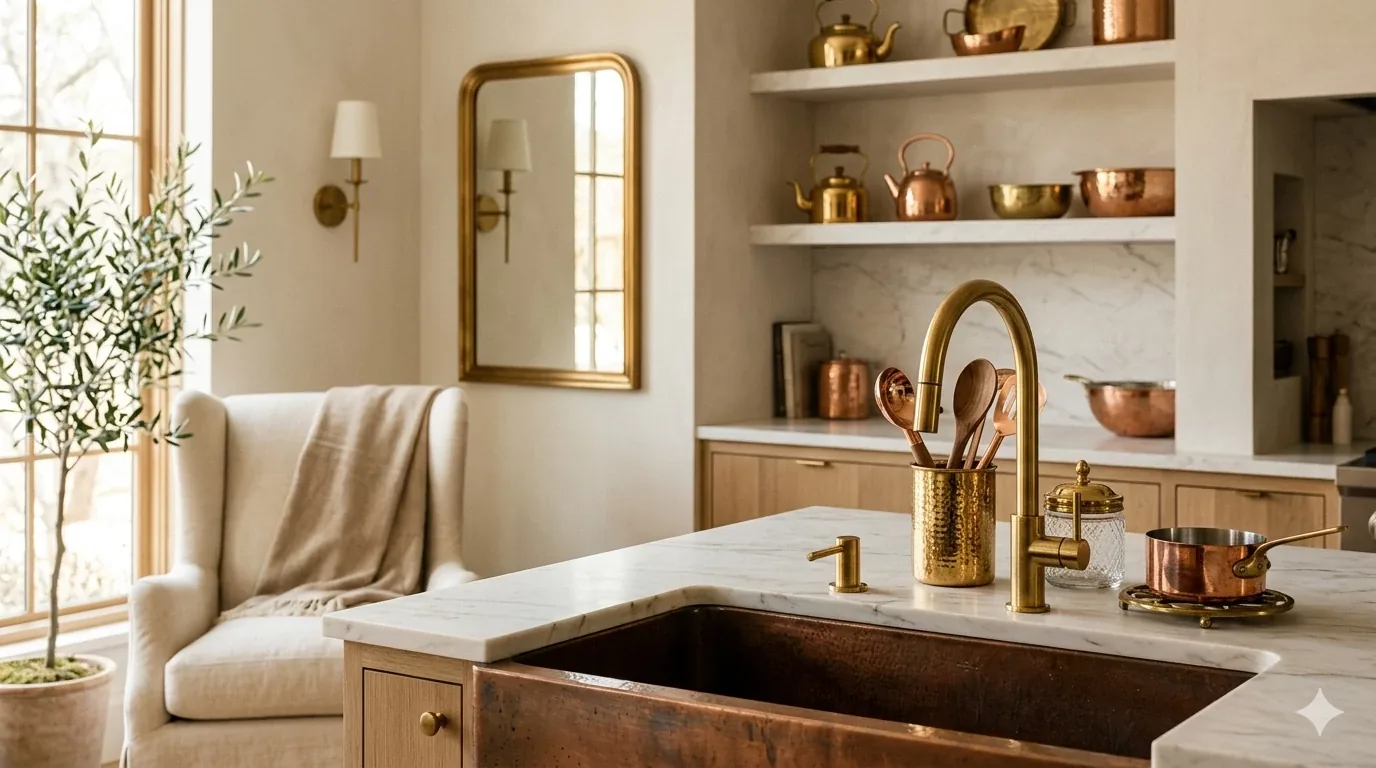
Design & Lifestyle Inspiration
Copper & Brass Are Back: What’s Trending in Interior Design?
Here’s how designers are using handcrafted metal to transform bathrooms, kitchens, and luxury spaces.
Read ArticleFrom sink measurements to plumbing prep — a friendly heads‑up for a smooth install.
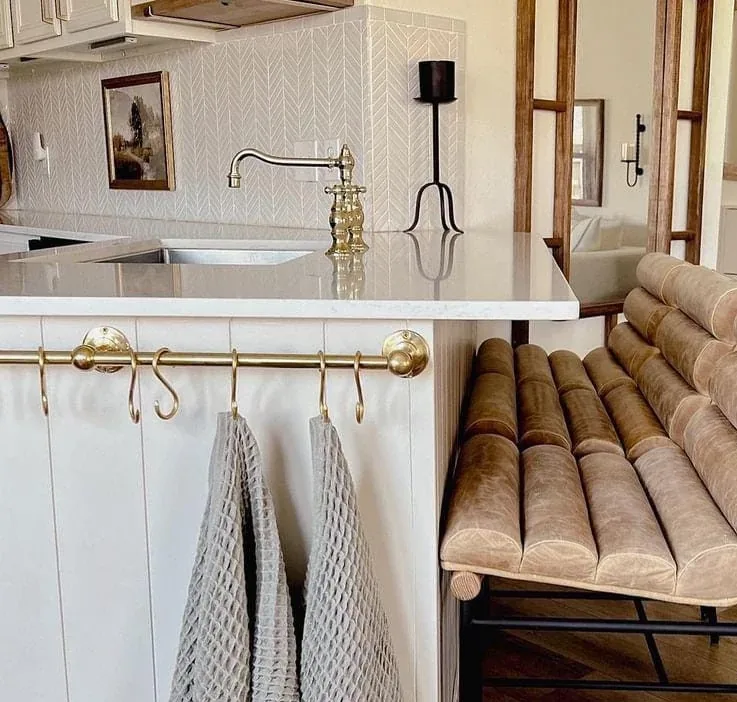
Renovations are full of surprises. Installing handcrafted copper and brass pieces shouldn’t be one of them. Here’s what to think about ahead of time — so your new Tinza treasures fit perfectly, work flawlessly, and bring joy from day one.
Copper sinks, brass faucets, and lighting fixtures are often larger (or heavier) than their mass‑produced cousins. Never guess your measurements.
For a copper sink (undermount or farmhouse):
Measure your cabinet width and depth. A 30″ sink needs at least a 33″ cabinet. Check the sink’s exact dimensions — including the bowl depth. Deep farmhouse sinks may require a shorter garbage disposal or modified drainpipes.
For a bridge faucet or tall gooseneck:
Measure from the faucet hole to your backsplash. The spout should reach the center of the sink. Check your window sill height if the faucet sits under a window so the handle won't hit the glass.
For pendant lights over an island or table:
Keep height from counter to bottom of shade between 30–36 inches. The overall width of the fixture should stay within 1/2 to 2/3 the width of the surface below.
Handcrafted solid metal pieces carry significantly more structural weight than standard retail alternatives.
Copper and brass light fixtures act as heavy visual statements. They require meticulous mounting box ratings:
Most pendants and chandeliers weigh 5–15 pounds. Ensure your ceiling junction box is specifically rated for structural fixture weight. For sloped architectural ceilings, utilize a slope‑compatible canopy array.
Dimming Dynamics: Copper and brass shades look remarkably better with dimmable bulbs. Install a modern LED‑rated dimmer switch to control color warmth reflections inside the metallic core.
Because items are meticulously crafted by hand, lead times vary based on custom requirements.
Consistency across minor touchpoints elevates full-room interior designs:
Placement benchmarks: Drawer pulls should center precisely horizontally and vertically. Mount towel bars 48 inches from the floor for hand towels, and 36 inches for main bath towels. Position toilet paper holders 26 inches from the floor, centered 8–12 inches in front of the bowl footprint.
If you are restoring an old architectural property and reusing existing heritage copper pipelines or vintage fixtures, maintenance is highly straightforward.
You can polish old copper back to its original shine using balanced mild household abrasives (lemon juice and baking soda) or commercial brass cleaners. If you prefer deep industrial character, pairing vintage mismatch patinas alongside new Tinza focal sinks creates a highly narrative space.
Every single Tinza piece is completely unique. The master metalsmith who hammered your item knows exactly what your plumbing or electrical crew needs to know.
Reach out directly via your account workspace prior to installation day to clarify exact weights, specialized drain clearances, or sloped ceiling modifications.
Here’s how designers are using handcrafted metal to transform bathrooms, kitchens, and luxury spaces.
Read Article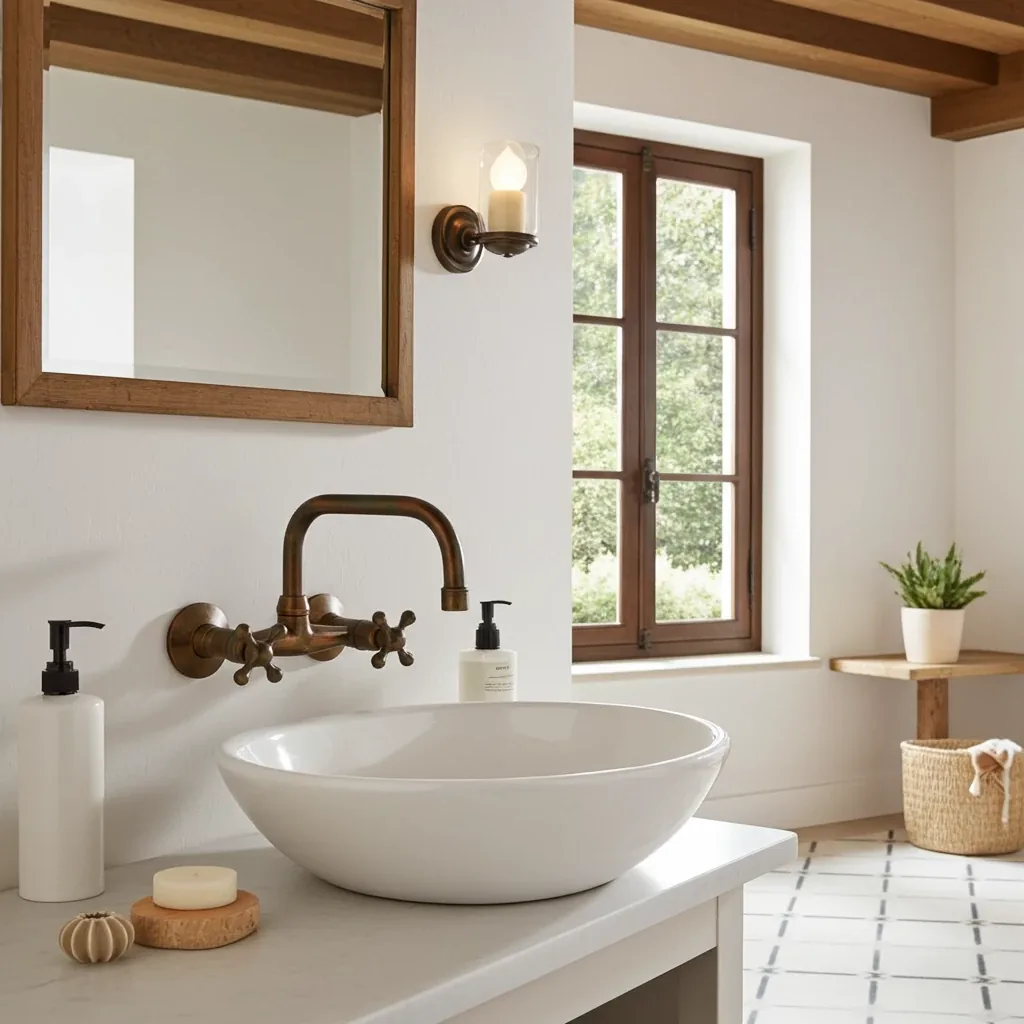
Why your grandmother’s copper sink might have been smarter than any modern disinfectant.
Read Article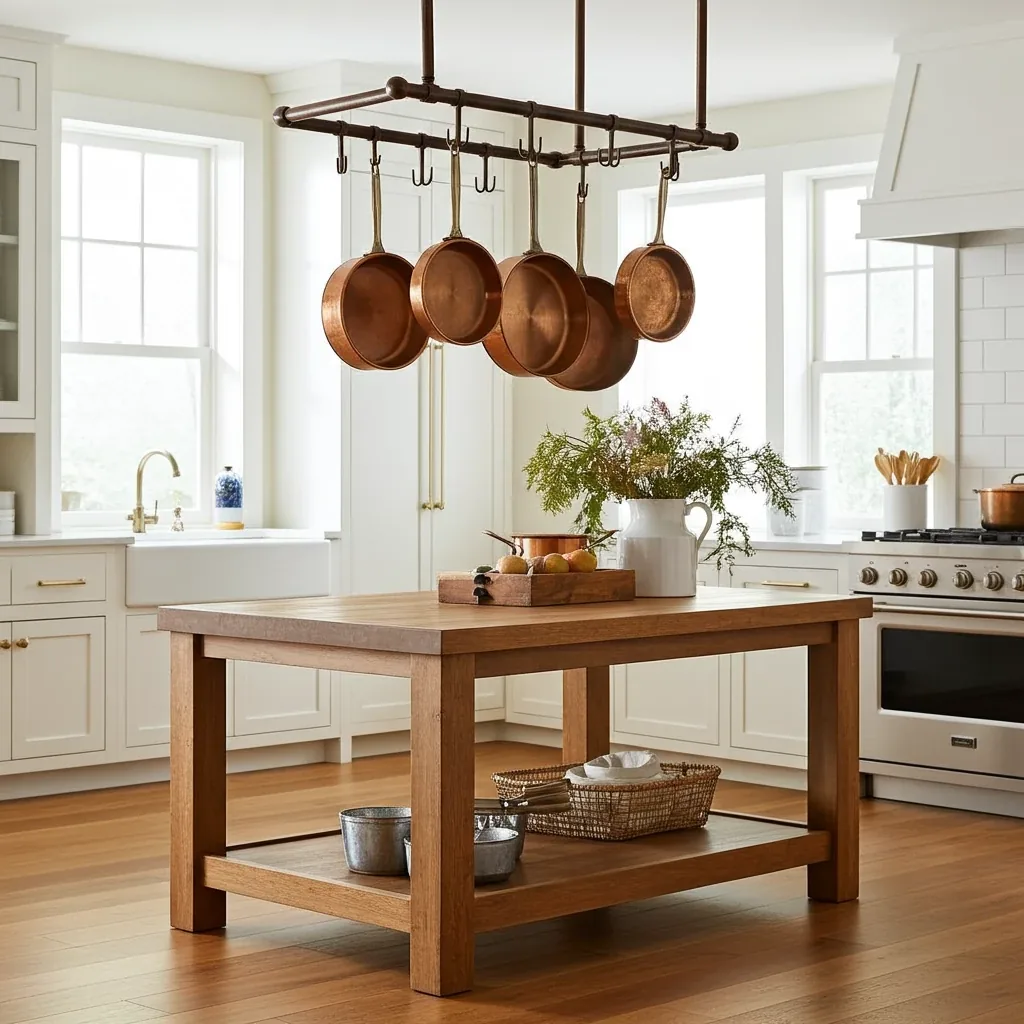
From ancient anvils to modern homes — how copper and brass have shaped human civilization for millennia.
Read Article