Copper vs. Brass vs. Bronze vs. Stainless Steel: What’s the Difference?

Why your choice of metal matters — for beauty, durability, and the soul of your home.
Handcrafted Artisanal Metals Comparison
At Tinza, we’re deeply devoted to copper and brass. But we know that shoppers often encounter other metals and wonder how they compare. Which one tarnishes? Which is strongest? Which develops that beautiful aged look? Let’s clear it up. Here’s what makes each metal unique, and why copper and brass remain the most soulful choices for handcrafted home décor.
01

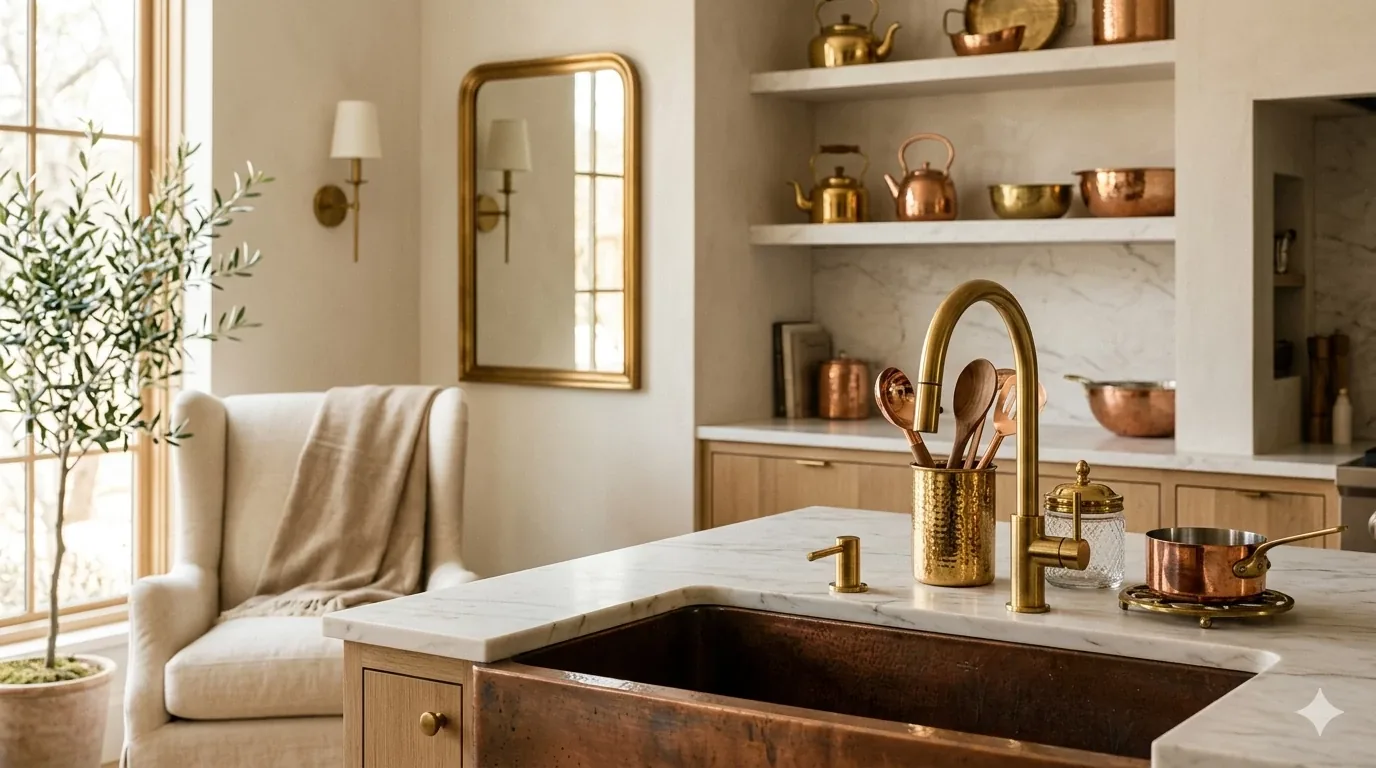
Copper: The Living Metal

Pure copper — or close to it — is the warm, reddish-orange metal that artisans have been shaping by hand for thousands of years.

  • Natural Antimicrobial Properties: It naturally kills bacteria on contact, which is one reason it has been trusted in kitchens and bathrooms for centuries.
  • Artisanal Malleability: Highly malleable, meaning master artisans can hammer it into detailed, intricate forms that harder metals simply won't allow.
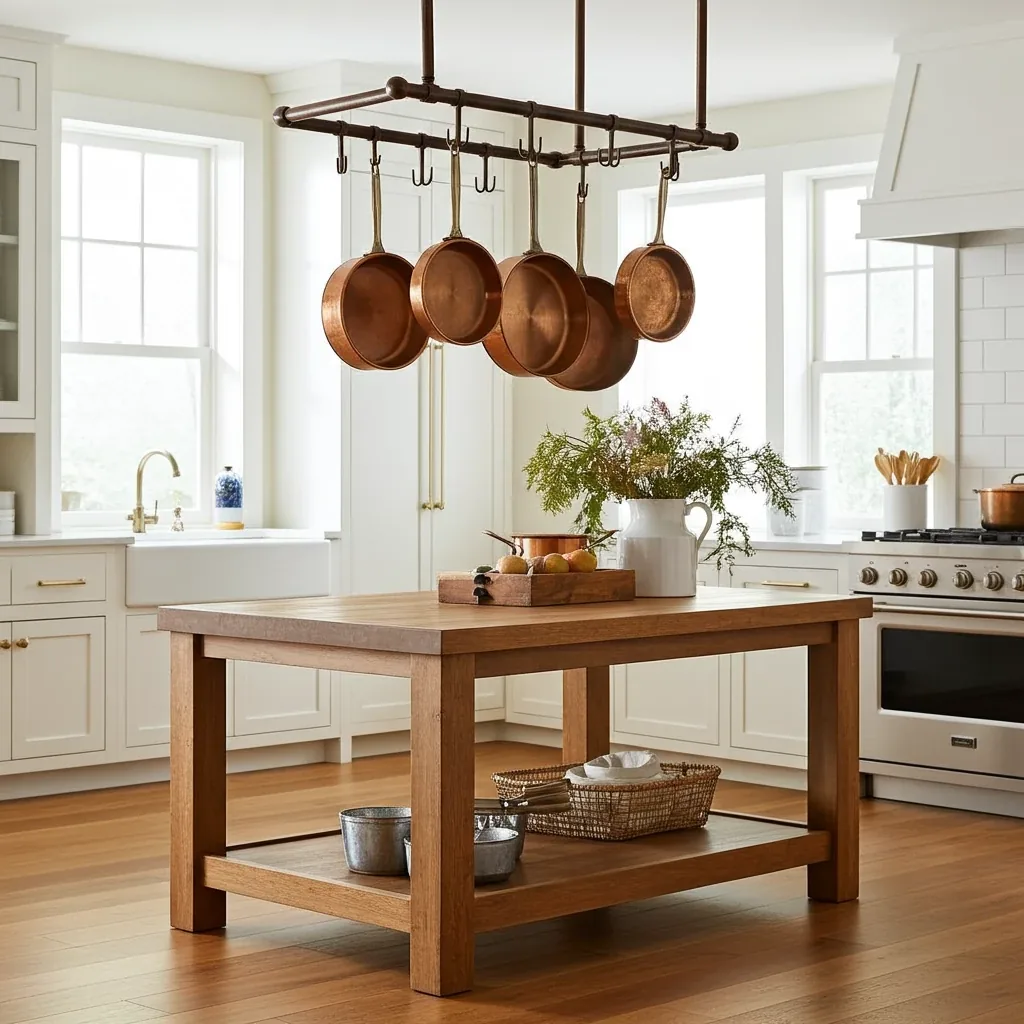
  • Thermal Conductivity: Conducts heat exceptionally well, making it a historic favorite for luxury cookware.
  • The Patina Journey: Over time, copper darkens and develops a living patina — moving through warm browns and eventually to a greenish-blue known as verdigris.
  • Durability & Character: Extremely durable for decorative use, though softer than steel. Heavy impact can leave an occasional scratch or dent — a worn, lived-in quality that adds authentic character.
  • Best Suited For: Sinks, bathtubs, cookware, pendant lights, and vases — statement pieces meant to age gracefully alongside you.
02

Brass: The Warm Classic

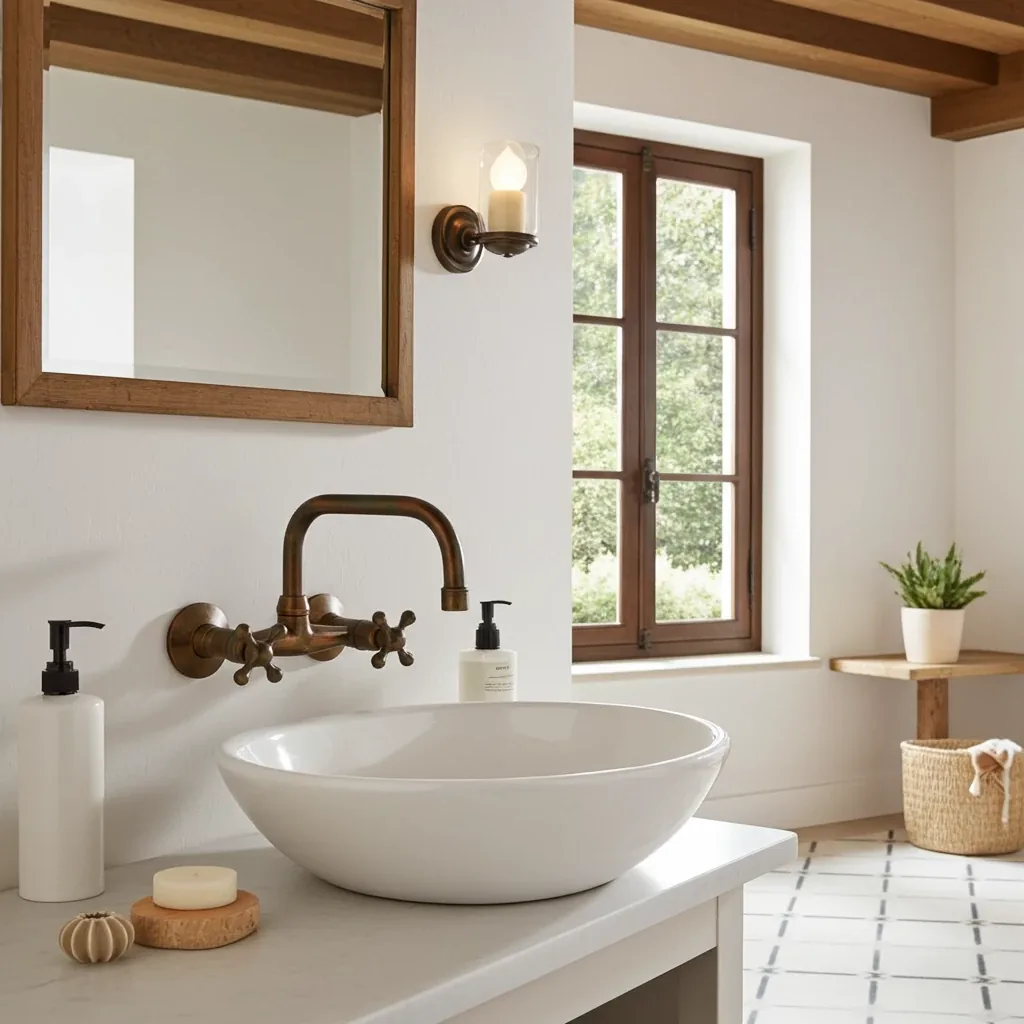
Brass is an alloy of copper and zinc — and the delicate balance between the two shapes everything about its visual presentation.

  • Tonal Range: More zinc makes it lighter and harder; less zinc keeps it closer to copper's warm, reddish-gold tone, ranging from bright yellow to deep amber.
  • Corrosion Resistance: Naturally resistant to corrosion and holds a high premium polish exceptionally well.
  • Workability: Slightly harder than copper but beautifully workable by hand, remaining the material of choice for decorative hardware for centuries.
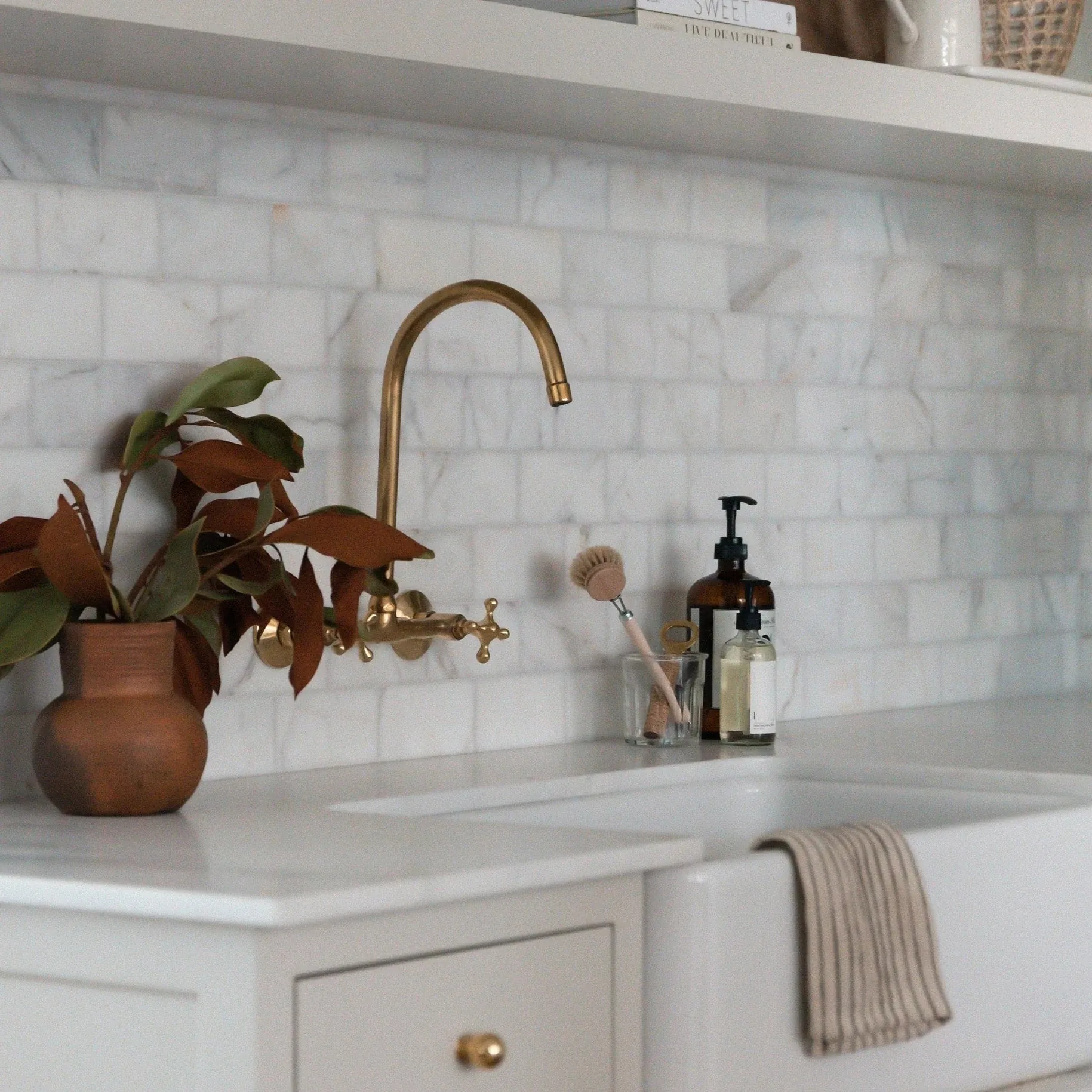
  • Dual Aesthetics: Can be polished to a mirror-like shine or left entirely unlacquered to develop a deep, moody antique patina.
  • Daily Living: Holds up beautifully to daily use. Unlacquered brass will pick up fingerprints and water spots over time, forming an organic, rich character.
  • Best Suited For: Faucets, cabinet hardware, lighting, mirror frames, towel bars, and interior accessories.
03

Bronze: The Heavy Heirloom

Bronze is an historic alloy of copper and tin — often mixed with small amounts of other elements to maximize structural rigidity.

  • Visual Profile: It tends to run darker and redder than brass, carrying a distinct weight and dense premium heft that sets it apart immediately.
  • Rigid & Brittle: Harder and more brittle than copper or brass, making it less suited to delicate handcrafting but perfect for solid castings.
  • Marine-Grade Resistance: One of the most corrosion-resistant metals available, particularly in wet environments — which is why it is used for ship propellers and outdoor monuments.
  • Best Suited For: Outdoor use, garden sculptures, heavy exterior door knockers, gates, and weatherproof architectural elements.
04

Stainless Steel: The Modern Utility

Stainless steel is an industrial alloy of iron, chromium, and nickel — containing no copper whatsoever.

  • Cool Palette: Its finish runs cool and silver, either mirror-bright or brushed, remaining completely static over its entire lifecycle.
  • Static Material State: Unlike copper or brass, stainless steel does not tarnish, patina, or change with age. What you buy is exactly what you keep.
  • Indestructible Nature: Extremely hard — highly resistant to scratches, dents, and intense heat. It is dishwasher-safe and knife-friendly.
  • The Utility Compromise: Ideal for high-traffic commercial environments, but it possesses zero natural antimicrobial properties and offers little artistic variation.
  • Best Suited For: Commercial kitchens, large appliances, utensils, and high-traffic industrial spaces.
05

At A Glance: Comparison Matrix

How the metals stack up across core architectural requirements:

Metal Core Appeal Patina Style Maintenance Best Environment
Copper Living metal, antimicrobial, hammered soul Deep amber to verdigris green Minimal (embrace change) Indoor Kitchen & Bath Focal Points
Brass Golden warmth, vintage elegance Rich, deep antique brown Low to medium Faucets, Hardware & Fine Lighting
Bronze Heavy weight, marine-grade durability Dark brown or deep dark green Very low Outdoor Sculpture & Entry Gates
Stainless Steel Industrial utility, scratch-proof None (Stays static silver) Wipe down only Commercial Spaces & Appliances
06

So, Which One Should You Choose?

Choose Copper if: You want a living, breathing metal that changes with time. You love the idea of a sink or bathtub that tells an ongoing narrative and you value natural antimicrobial protection.
Choose Brass if: You want the soft, refined warmth of gold without the ostentatious price point. You love heritage vintage charm — a faucet that patinas around the handle or an elegant mirror frame.
Choose Bronze if: Your project demands heavy outdoor durability against severe elements and you prioritize weight for statuary, garden features, or dense entrance hardware.
Choose Stainless Steel if: You prioritize low maintenance, clinical consistency, and pure industrial practicality. It is highly honest, but it is not romantic.

The Tinza Difference

We choose copper and brass because every scratch, fingerprint, and patina mark is part of your home’s authentic story. These metals don’t just sit there – they live with you, beautifully shaped by human hands.