 No products in the cart.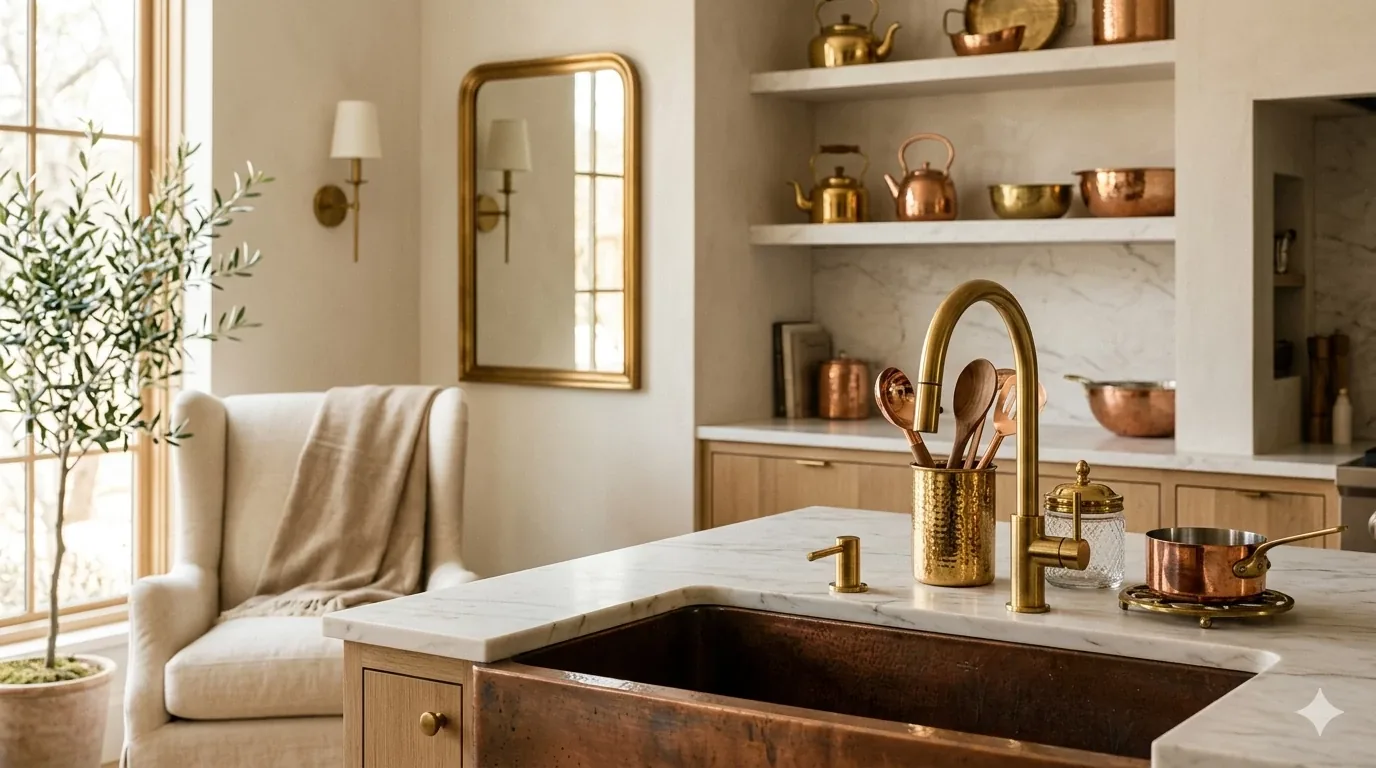
Design & Lifestyle Inspiration
Copper & Brass Are Back: What’s Trending in Interior Design?
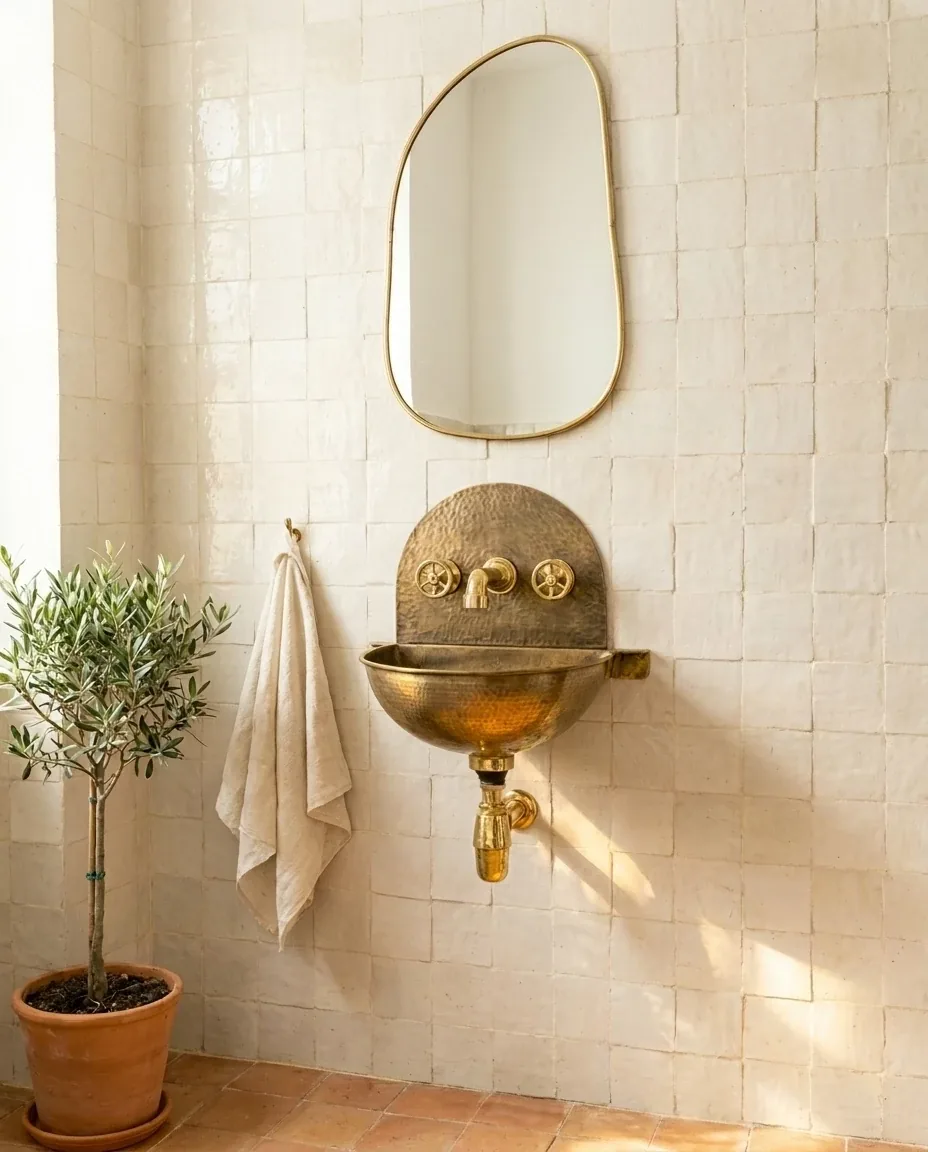
Here’s how designers are using handcrafted metal to transform bathrooms, kitchens, and luxury spaces.
Read ArticleEverything you need to know about water spots, tarnishing, hard water, and more.
O
wning handcrafted copper and brass is a joy. But like any beautiful material, these metals come with questions. Why are there water spots? Is that tarnish normal? How do I handle hard water stains? We've gathered the most common concerns and answered them clearly. No judgment, no jargon — just honest help. Because your Tinza piece is meant to be lived with, not worried about.Why it happens: Water spots are mineral deposits left behind when water evaporates. They're most visible on shiny, polished surfaces — especially dark finishes like Oxidized Copper.
The fix: Wipe the piece dry after each use. A soft microfiber cloth works best. For existing spots, use a mixture of equal parts white vinegar and water. Dampen a cloth, wipe gently, rinse, and dry immediately.
Why it happens: Copper and brass naturally oxidize when exposed to air and moisture. For some finishes (Unlacquered Brass, Aged Copper), this is a feature, not a flaw. It's the patina that people pay extra for.
Why it happens: Hard water contains high levels of calcium and magnesium. When it dries on metal, it leaves chalky white or gray deposits that can be stubborn to remove.
The fix: For light deposits, white vinegar and water (1:1) works. For heavier buildup, use a specialized hard water stain remover (check that it's safe for copper and brass).
Prevention: Dry your fixtures after each use. Install a water softener if hard water is a persistent issue.
Installing a Tinza piece is usually straightforward, but there are a few things to keep in mind:
Pro Tip: Always read the product page carefully. Each listing includes specific installation notes from the artisan. And don't hesitate to Ask the Artisan — they know their pieces best.
The key to keeping your copper and brass beautiful is consistency, not perfection:
A quick-reference dashboard for managing common material changes and unexpected surface developments:
| Problem | Solution | Prevention |
|---|---|---|
| Water spots | Vinegar/water mix, rinse, dry | Wipe after each use |
| Hard water deposits | Hard water remover, vinegar | Water softener, dry after use |
| Tarnish / patina | Polish (only if desired) | Leave it alone — it's normal! |
| Installation questions | Read product page, contact artisan | Measure and check compatibility |
| Scratches (minor) | Extra‑fine steel wool (0000), then polish | Use cutting boards on copper surfaces |
| Discoloration from heat | Metal cleaner or polish | Use trivets, avoid direct heat |
Your Tinza artisan is the ultimate expert. If you have a concern not covered here — or if you've tried a solution and it didn't work. The person who made your piece can recommend specific cleaning products for their metal and finish, advise on sealing and long‑term care, and offer repair options if needed. That's the advantage of buying handmade.
We often say it, but it's worth repeating: patina is not damage. It's a living finish. Some Tinza customers specifically request accelerated patina — they want the metal to age quickly. If you're in that camp, skip the polishing, let water sit (briefly), and enjoy the evolution. If you prefer a perfectly consistent look, choose lacquered brass or chrome. That's a valid choice too. Knowing what you want is the first step.
Here’s how designers are using handcrafted metal to transform bathrooms, kitchens, and luxury spaces.
Read Article
Why your grandmother’s copper sink might have been smarter than any modern disinfectant.
Read Article
From ancient anvils to modern homes — how copper and brass have shaped human civilization for millennia.
Read Article